Carthage National Museum: closed since 2018, and what to see instead
Many visitors climb Byrsa Hill for the National Museum, only to find the gates locked. It has been shut since 2018, with no reopening date announced. Here is where to see Carthage's collections in the meantime, and what is still open on the hill.
The essentials
- National Museum: closed since 2018, no reopening date
- Roman and Early Christian Museum: reopened on 3 December 2025
- Punic ports museum: open
- One ticket covers every site in Carthage for the day
Why the museum is closed
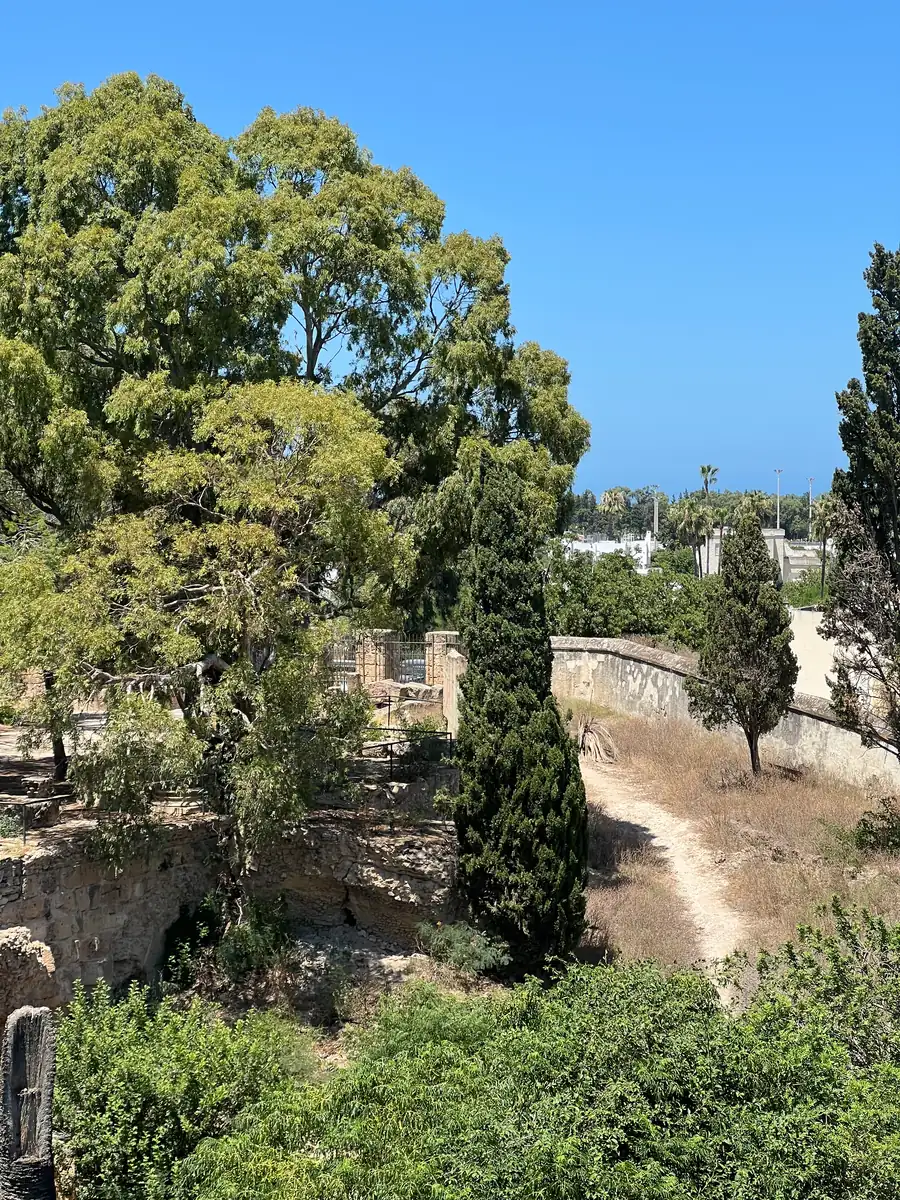
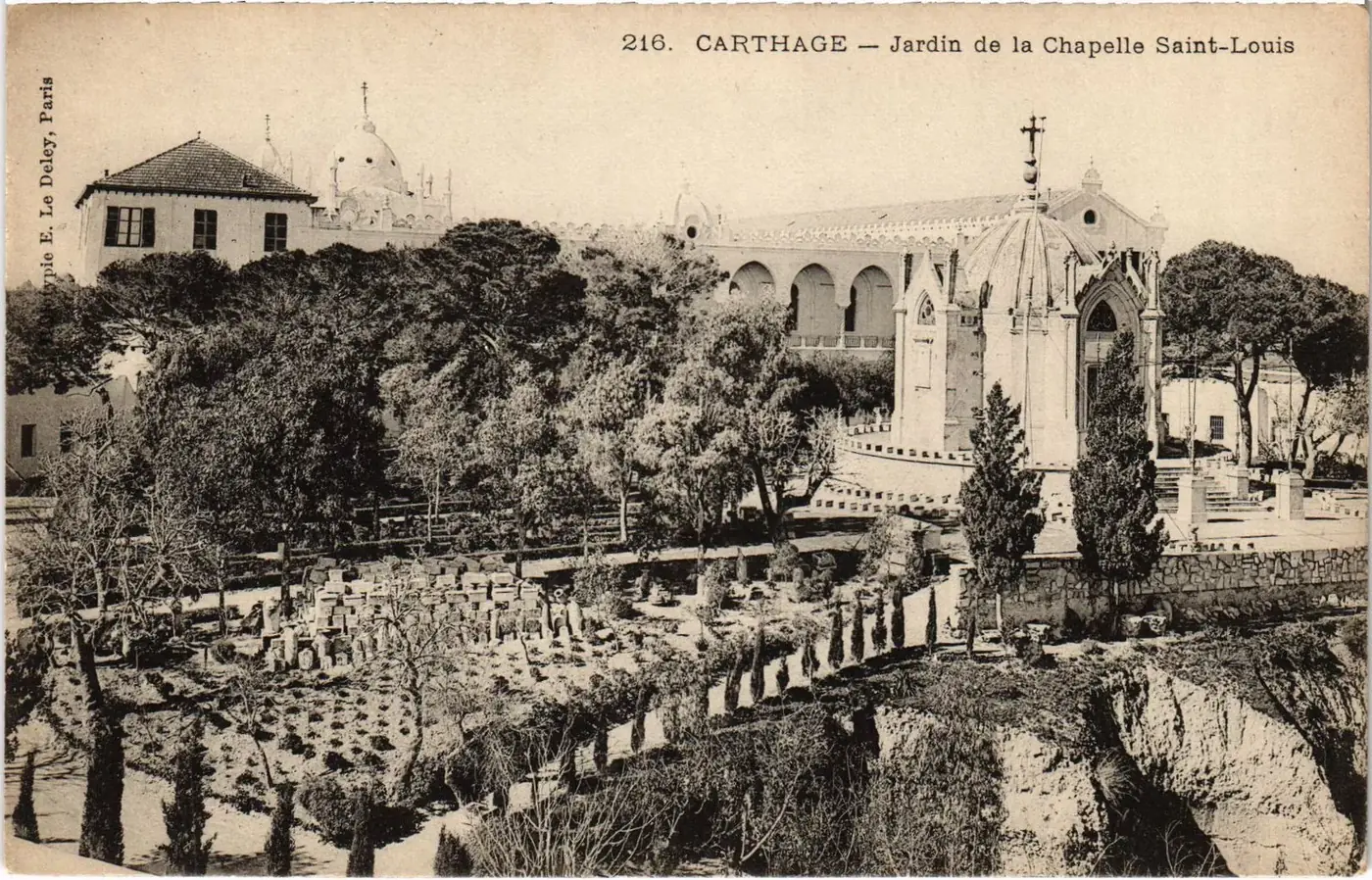
The museum stands at the top of Byrsa, beside the former Cathedral of Saint Louis. It closed in 2018, and in June 2026 the Tunisian press still described it as "temporarily" closed while surveys are carried out and the collections secured.
A wider project is being prepared around it, covering five hectares of the Byrsa acropolis and including the museum's restoration. It is funded by a grant from the European Union, and Expertise France opened the tender for the works on 10 June 2026. The winning design came out of an international competition launched in 2022, the first in Tunisia to carry the UNESCO-UIA label.
We will update this page as soon as a reopening date is announced.
The Early Christian Museum is open again
For now, this is the museum to see in Carthage. The Roman and Early Christian Museum, at Dermech in Carthage, closed for renovation in March 2024 and reopened on 3 December 2025.
Its collection includes the mosaics from the House of the Greek Charioteers, opus sectile panels (cut marble pieced into patterns), a bronze cross and a good deal of pottery.
The small museum at the Punic ports
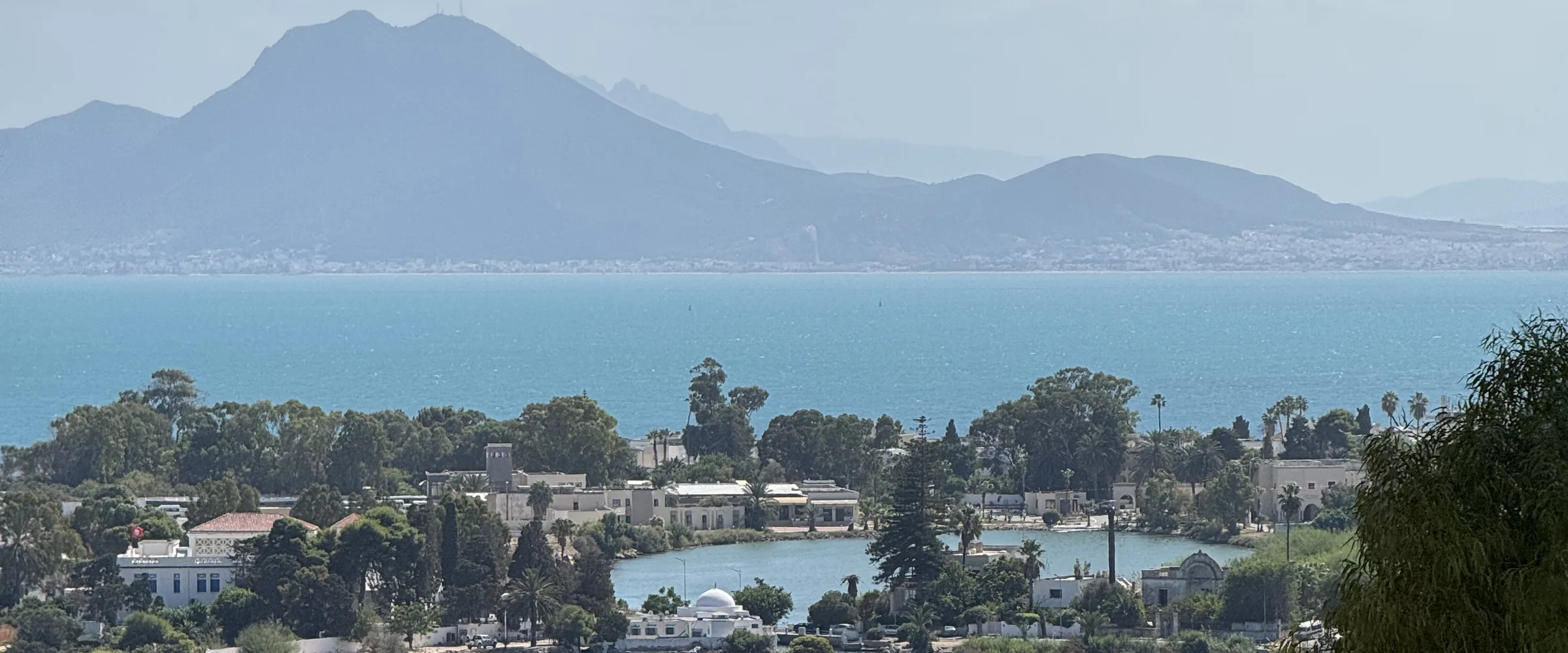
Below Byrsa, on the sea side, two basins still trace the harbours of the Punic city: the merchant port, which is rectangular, and the circular naval port with its island in the middle.
A small museum on the island is open. Its scale model is worth the stop. From the water's edge the two basins could pass for ordinary ponds; the model reveals what they once were.
What is still open on the hill
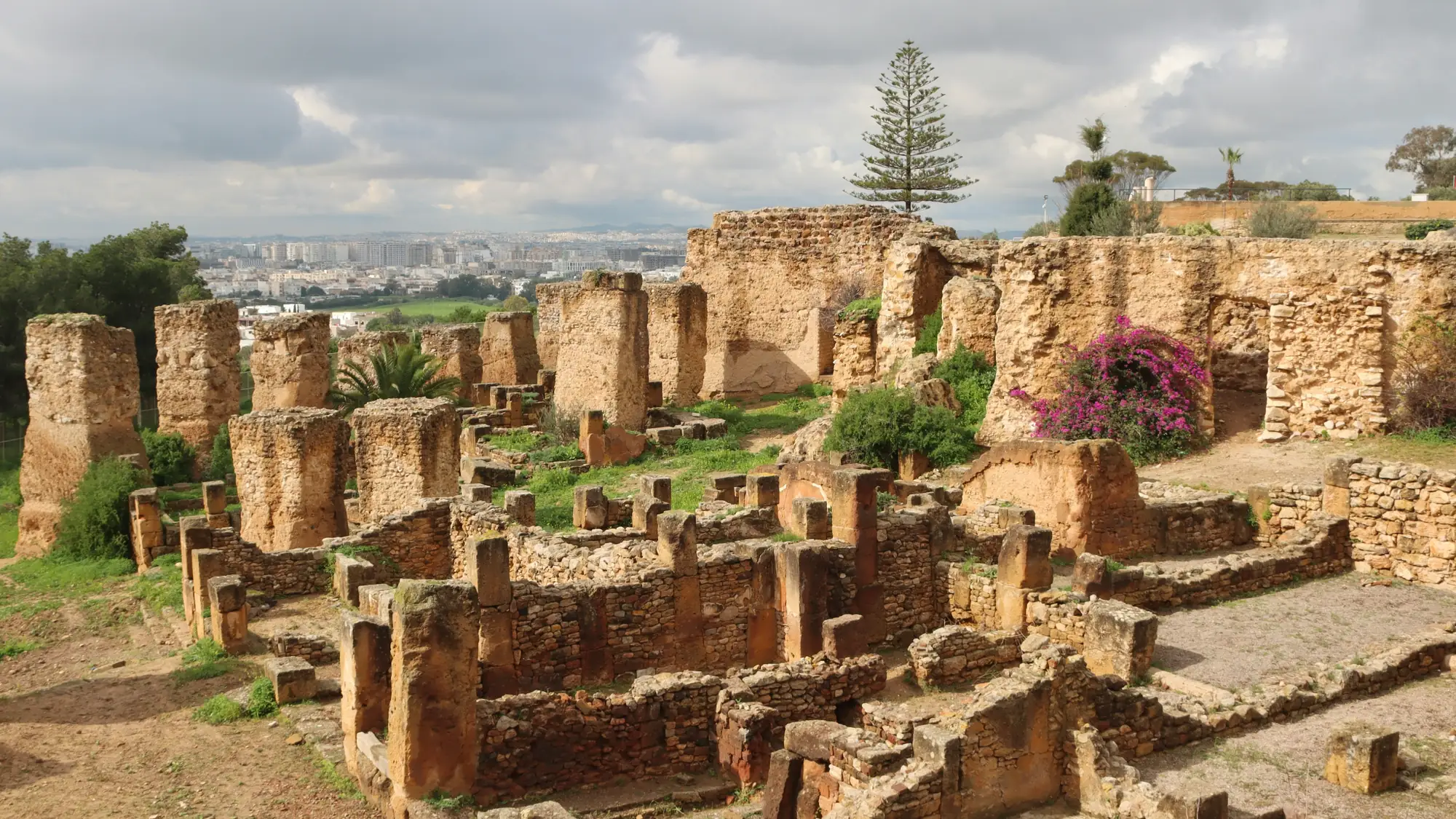
The hill itself is open. Up here are the Punic quarter, whose houses were excavated by Serge Lancel's French archaeological mission, and the view over the bay and the ports. The former cathedral, now the Acropolium, stands right next to the museum.
A sensible order
| When | Where |
|---|---|
| Before 10am | Byrsa Hill, about an hour |
| Late morning | The Punic ports and their museum |
| Midday | Lunch (there is nowhere to eat on the sites) |
| Afternoon | The Antonine Baths, then the Early Christian Museum |
| Late afternoon | Sidi Bou Saïd |
A single ticket gets you into every site in Carthage for the day. Keep it to hand: it is checked at every entrance. Opening hours differ between winter and summer, so check them the day before.
Byrsa and the baths are almost two kilometres apart, along unshaded streets, so take a car or the TGM suburban train.
Villa Didon Carthage is a four-minute walk from the Acropolium esplanade. Guests staying on the hill can be up there before the coaches arrive.
Read next
← Back to the Journal