Carthage in a day
Carthage is visited as a whole commune, scattered with remains separated by lived-in streets, and you spend the day going from one to the next. The order below follows the light rather than the map.
The essentials
- Byrsa
- Arrive before 10am and allow an hour
- Ticket
- A single pass for every site, checked at each gate
- Lunch
- Nothing on site; the terraces with a view are up on the hill
- Getting around
- Take a car or the TGM between Byrsa and the baths
Morning: Byrsa
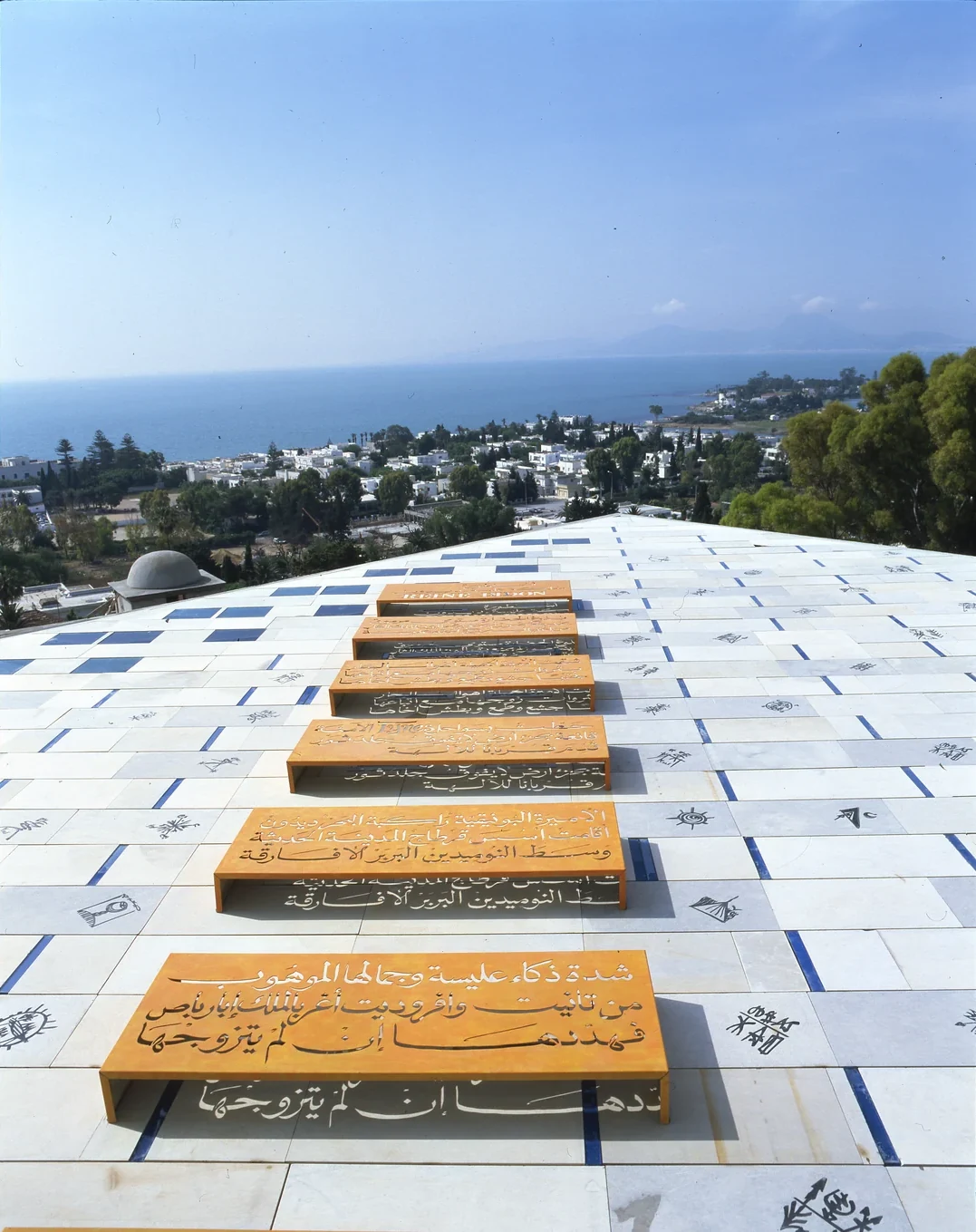
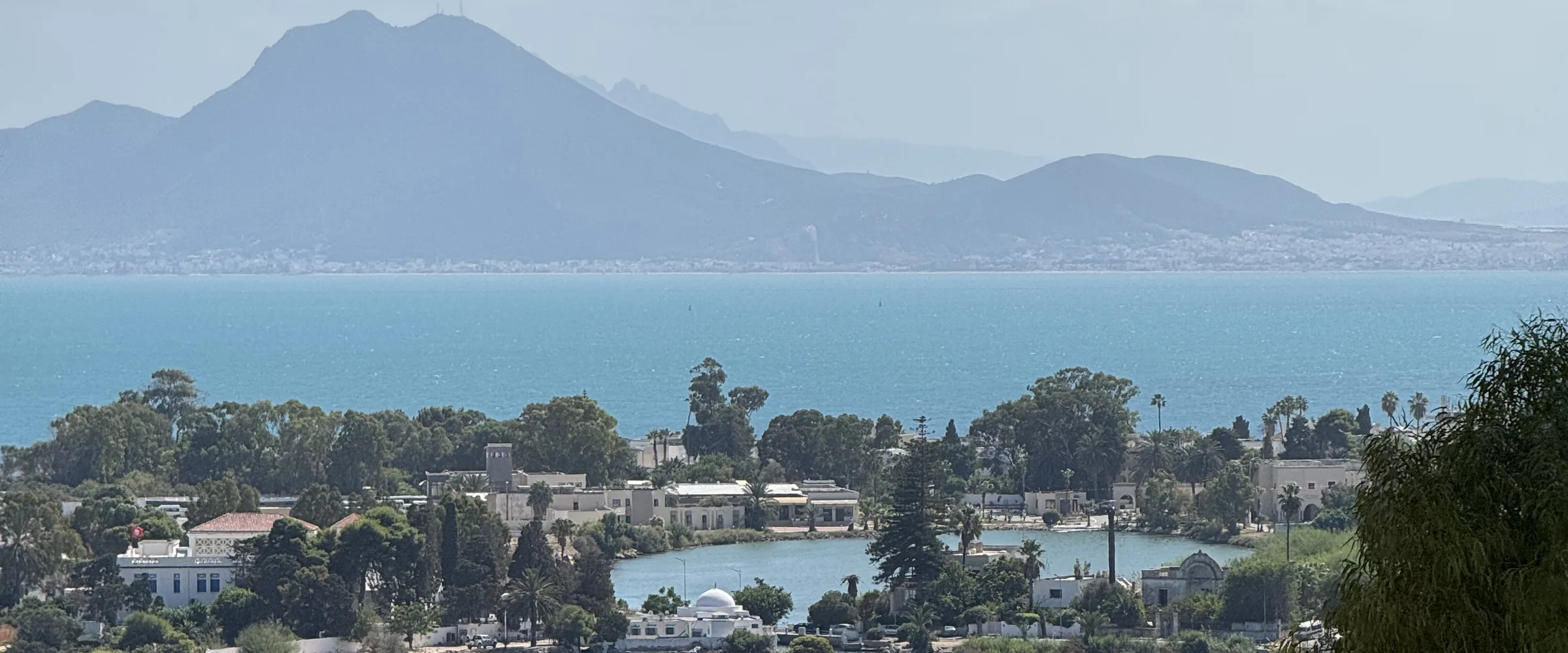
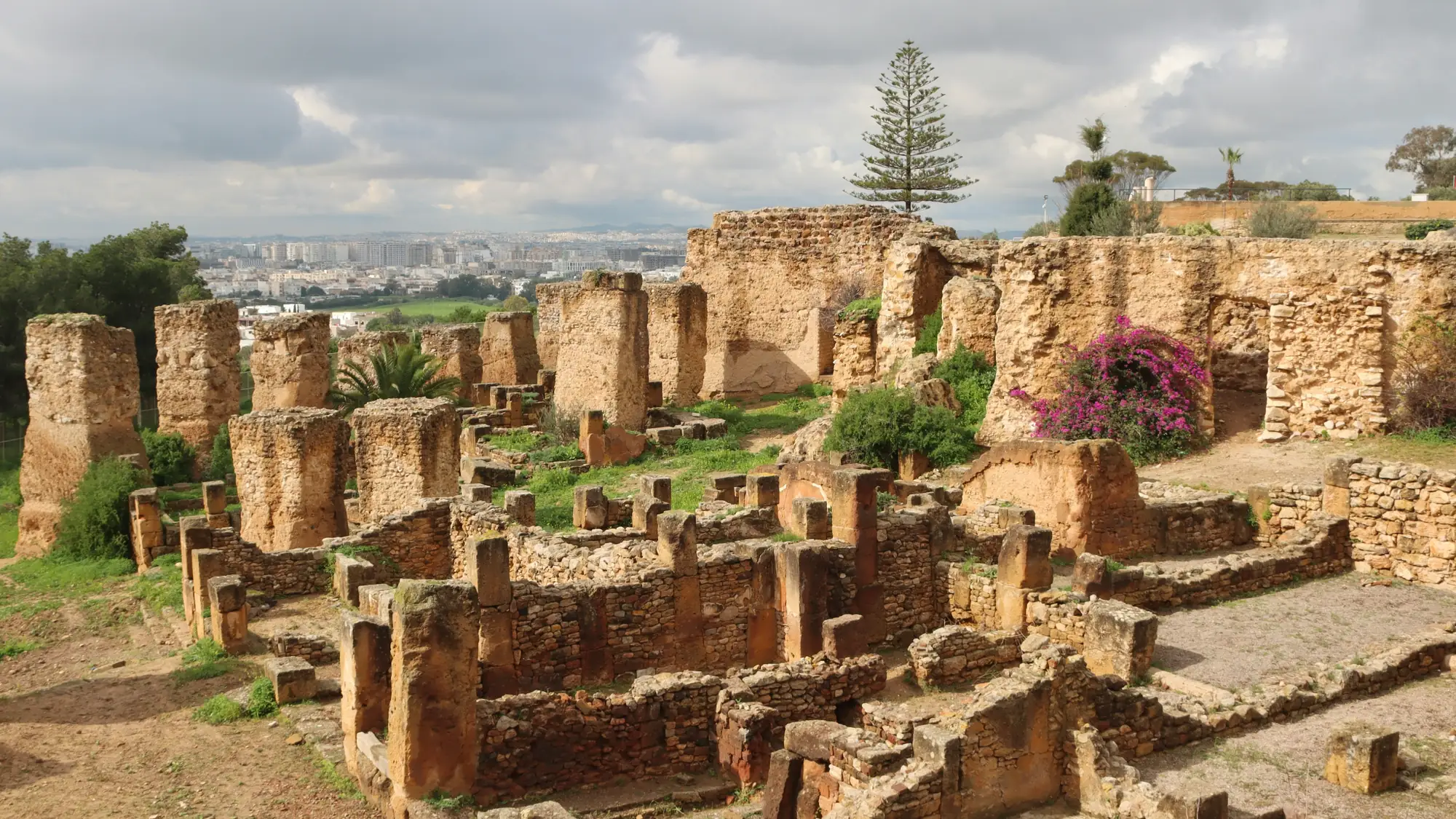
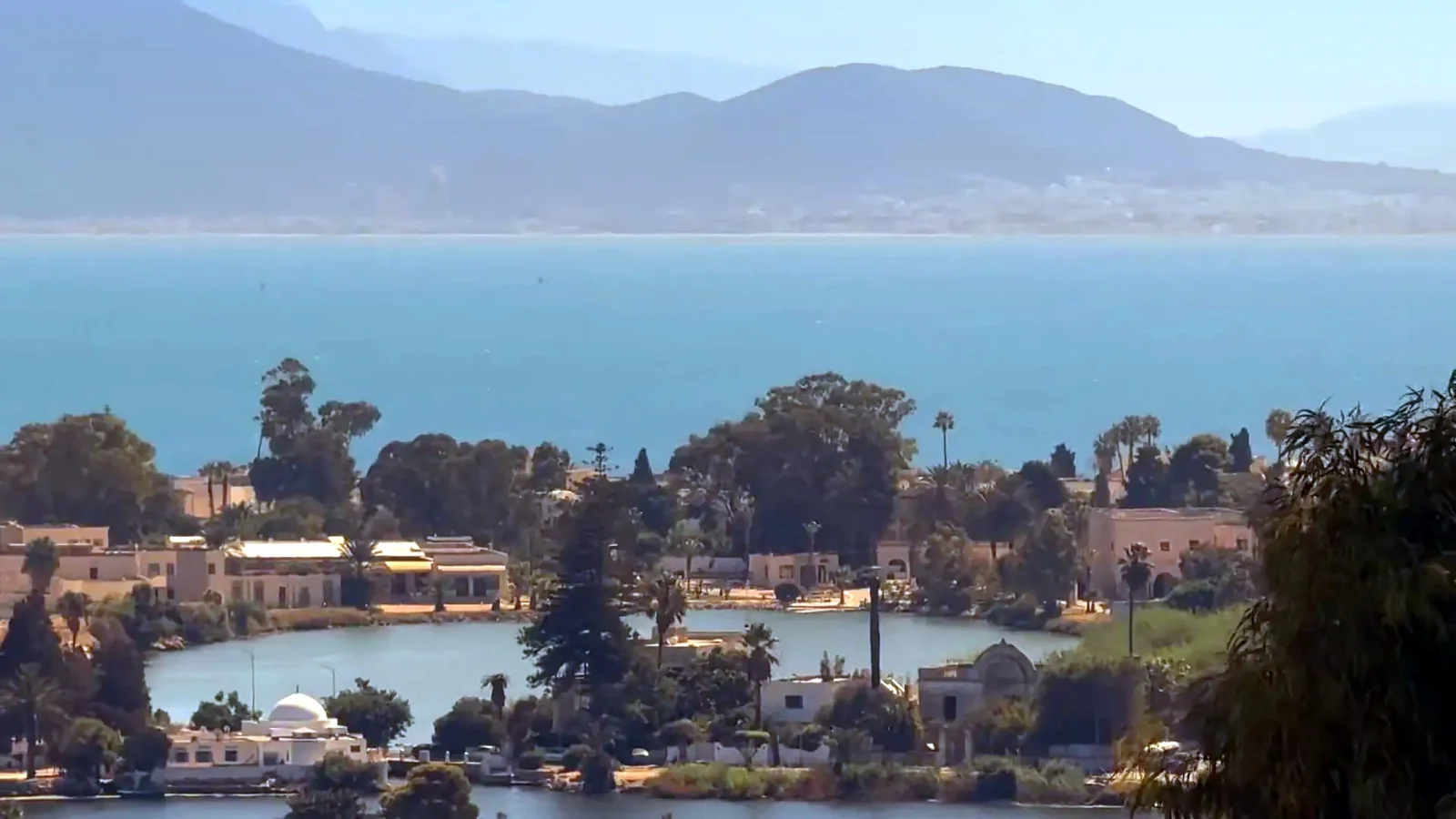
Start with the hill, before ten. It is the high point, the one from which everything else makes sense: the bay, the port, the layout of the ancient city. The national museum, at the top, is closed for renovation. The acropolis is worth the visit for its remains and for the view. Allow an hour.
Late morning: the Punic ports
Below, two basins: the merchant port, rectangular, and the military port, circular, with its central island. Unspectacular at first glance and considerable at the second: this is where the fleet sailed from that held Rome off for more than a century.
The small site museum has the model that makes the whole thing legible.
Lunch
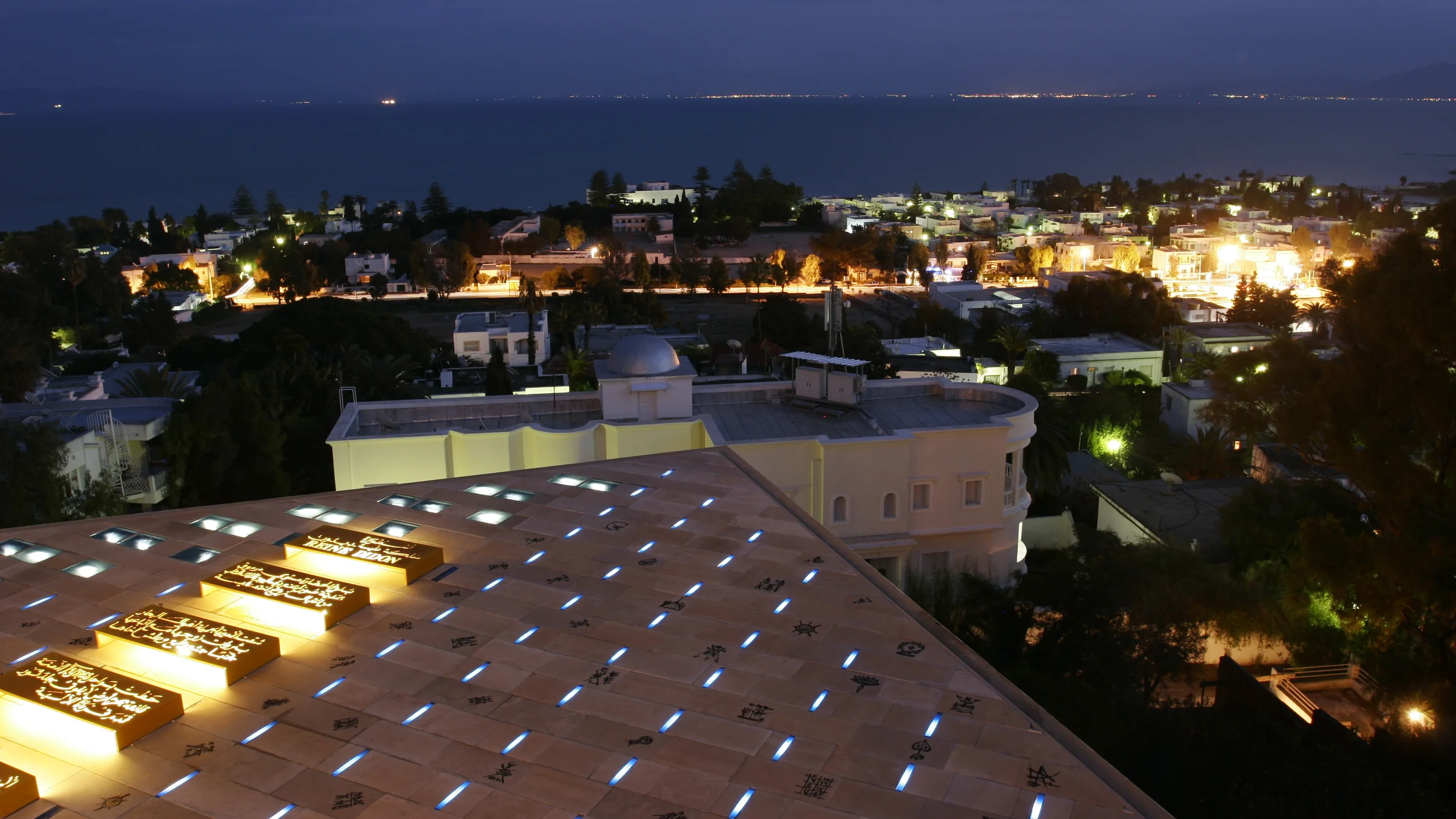
There is no catering on the site itself. Go back up towards the hill, or on to Sidi Bou Saïd: the terraces facing the bay are on the heights. On Byrsa, Le RestÔ at Villa Didon serves lunch facing the bay. For hours and booking, see Dining in Carthage by the sea.
Afternoon: the Baths of Antoninus
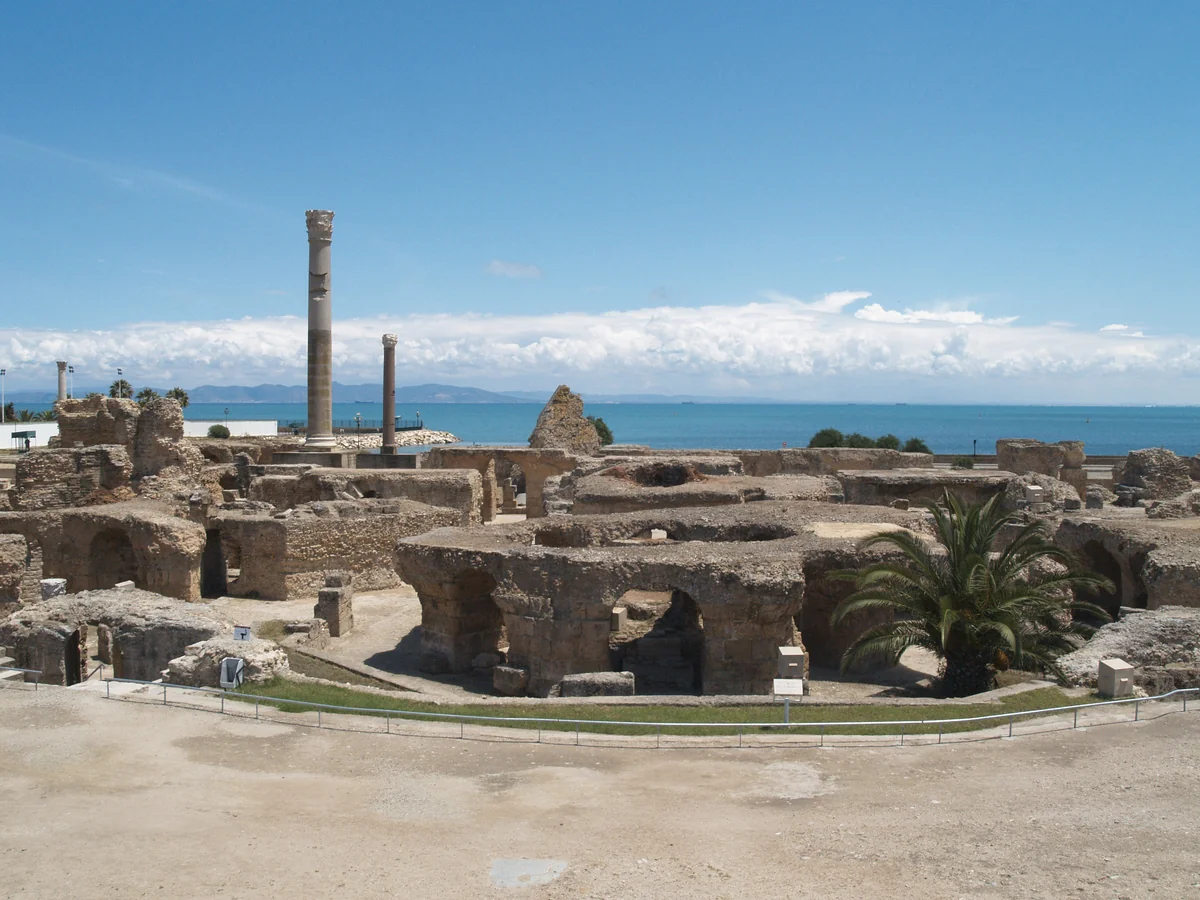
The largest Roman bath complex in Africa, and the only place on the site where you reach the sea. What still stands is only the substructure; the vaults it carried rose to nearly thirty metres. One column, re-erected on site and some fifteen metres high, gives the scale of the building.
The park running down to the sea is worth crossing slowly. It is the most pleasant moment of the day in summer.
Late afternoon: Sidi Bou Saïd
Ten minutes away. The tour groups leave in the late afternoon and people from Tunis take over: the village stays lively into the evening. Go up late, for the end-of-day light on the blue and the white.
It is also the hour we photograph most from the hill. We post it regularly on our Instagram.
Two things worth knowing
One ticket covers everything
A single ticket gives access to all the Carthage sites for the day. Keep it: it is checked at every entrance.
Too far to walk
Between Byrsa and the baths there are nearly two kilometres of streets without shade. Plan on a car or the TGM.
Staying the night changes the day
Before the coaches arrive in mid-morning, and after they leave, the hill is almost empty. Those hours go to the guests who do not leave in the evening.